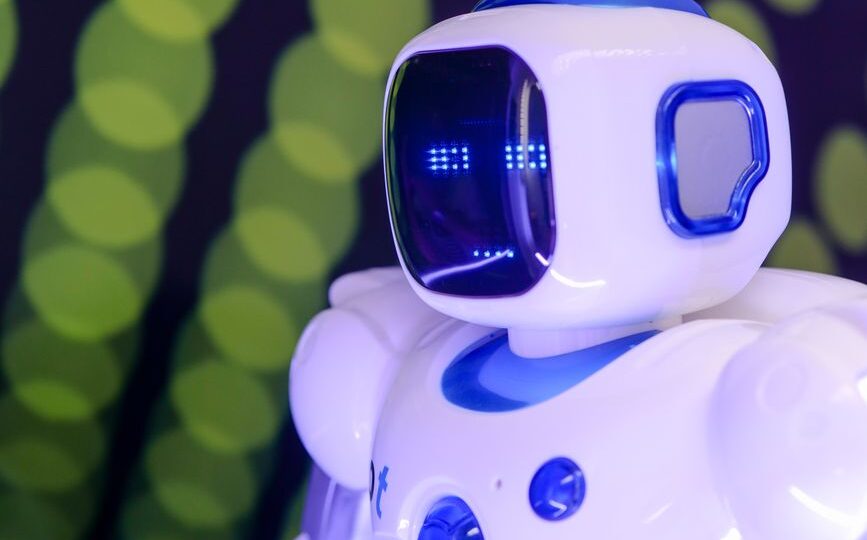
Introduction: The New Lens of 2026
As we settle into 2026, the world of photography is experiencing a seismic shift. Traditional methods of capturing memories are being challenged by AI-driven technologies that promise to revolutionize how we document our lives. Automated event photography is making waves, turning once hectic tasks into seamless experiences.
The Rise of AI Photographers
Remember the days when finding the right photographer for a wedding or a corporate event involved endless research and hefty fees? Those days are fading fast. AI photographers, equipped with state-of-the-art algorithms and advanced image recognition capabilities, have stepped in to offer precision, creativity, and cost-effectiveness.
Companies like Snapture and Momentous have developed intelligent systems that can anticipate the perfect shot by analyzing lighting, composition, and even emotional context. Their cameras can adjust settings and angles on-the-fly, ensuring every moment is captured beautifully.
How It Works: Behind the Lens
The AI engines powering these photographers are nothing short of extraordinary. They utilize deep learning techniques to understand photographic composition and aesthetic appeal. Upon entering an event, these systems map the environment and identify key subjects, adjusting their focus and exposure dynamically.
Moreover, AI photographers can now integrate seamlessly with event management systems. They receive real-time updates about schedules, ensuring they never miss a crucial moment. Whether it’s the bride’s entrance or a keynote speaker’s highlight, the AI knows to be ready.
Benefits That Go Beyond Traditional Photography
One of the significant advantages of AI-driven photography is its ability to capture candid moments with authenticity. Humans can be intrusive, but AI photographers work discretely in the background, allowing people to act naturally. The result? Genuine smiles, spontaneous interactions, and memories captured in their truest form.
- Cost Efficiency: With no need for extensive human labor, event photography becomes more affordable, making it accessible to a broader audience.
- Consistency: These AI systems deliver consistently high-quality images, eliminating the risk of human error.
- Speed: Instantaneous image editing and sorting capabilities mean you can receive your event photos almost immediately.
Challenges and Ethical Considerations
Despite the impressive capabilities of AI photographers, there are challenges and ethical questions to consider. Privacy concerns are paramount. With cameras and AI algorithms capturing every detail, ensuring consent and data security is crucial.
Additionally, there’s the debate about the artistry of photography. Some purists argue that automation strips away the creative essence of the craft. However, many in the industry counter that AI is a tool that enhances human creativity, rather than replacing it.
The Future of Photography: Where Do We Go From Here?
As AI continues to evolve, so too will its role in photography. We can expect even more sophisticated systems capable of crafting personalized narratives for each event. These technologies will likely integrate with other emerging technologies, such as virtual and augmented reality, to offer immersive photographic experiences.
Furthermore, there’s potential for AI to democratize photography, offering professional-caliber services to anyone with a smartphone.
Takeaway: Embrace the Future
The automation of event photography heralds a new era for capturing memories. It’s time to embrace these advancements, understanding that they offer more than just convenience—they present an opportunity to see the world through a new lens. Whether you’re planning a small gathering or a large corporate event, AI photography is here to make your experiences last a lifetime.