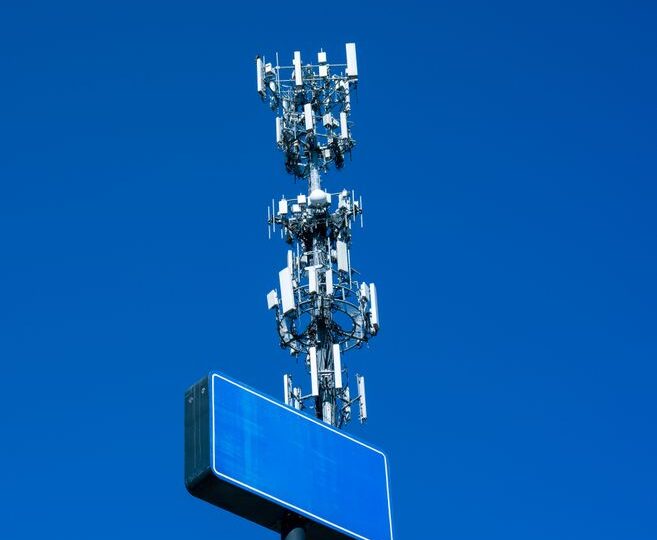
The Next Level of Connectivity: Beyond Smartphones
The buzz around 5G has been palpable for years, and in 2026, its impact has rippled far beyond just faster download speeds on our smartphones. The real story lies in how industries are leveraging this ultraconnectivity to transform their operations and enhance experiences. From manufacturing floors to the way we consume media, 5G is at the heart of an unprecedented technological evolution.
Smart Manufacturing: Efficiency Redefined
In the bustling industrial zones of Shenzhen, factories are humming with a new kind of energy. 5G networks are allowing machines to communicate with each other in real time, creating a seamless flow of information that enhances productivity. Smart sensors, connected through 5G, are now capable of detecting defects in products instantaneously, reducing waste and ensuring quality. This shift is not just about speed; it’s about intelligence. Manufacturers are reporting up to 40% improvements in operational efficiency, showcasing the tangible benefits of 5G integration.
Empowering Remote Work with Immersive Tech
As remote work solidifies its presence in the professional landscape, 5G is redefining what it means to work from anywhere. In a quaint village in the Scottish Highlands, a software developer joins a virtual meeting with colleagues spread across the globe, experiencing no lag or interruptions thanks to 5G’s low latency. Beyond video calls, 5G enables the use of augmented reality (AR) and virtual reality (VR) for collaborative projects, creating immersive environments that foster creativity and innovation. Companies are increasingly adopting these tools, noting a 30% increase in team collaboration and productivity.
Transforming Healthcare: From Diagnosis to Treatment
The healthcare sector is perhaps witnessing the most transformative effects of 5G. In cities like Tokyo, surgeons are performing complex procedures remotely, guided by real-time, high-definition video streams transmitted over 5G networks. This advancement is not just saving time; it’s saving lives. Moreover, 5G is enabling continuous monitoring of patients through wearable devices, providing doctors with up-to-the-minute health data and reducing hospital readmissions by nearly 20%. The ability to quickly analyze large datasets is also advancing personalized medicine, tailoring treatments to individual genetic profiles.
Revolutionizing Media Consumption
In the bustling streets of New York City, media consumption is undergoing a radical transformation. With 5G, downloading a high-definition movie takes mere seconds, but the true revolution lies in how content is delivered and experienced. Streaming services are offering interactive, multi-angle live events, powered by 5G, allowing viewers to choose their perspective during concerts or sports events. This level of interaction is increasing viewer engagement by over 50%, creating a more personalized and immersive experience.
Smart Cities: The Backbone of Urban Living
As urban populations swell, cities like Singapore are turning to 5G to manage resources and improve quality of life. Smart traffic systems, underpinned by 5G, are dynamically adjusting traffic lights based on real-time traffic conditions, reducing congestion by 25%. Meanwhile, city-wide environmental sensors are providing data that helps reduce energy consumption and improve air quality. These technologies are not just making cities smarter; they are making them more sustainable and livable.
Practical Takeaway: The impact of 5G goes far beyond our handheld devices. Its transformative effects are felt across industries, enhancing efficiency, empowering remote work, revolutionizing healthcare, and enriching media experiences. As we continue to embrace this connectivity, its potential to innovate and improve our lives is limitless.