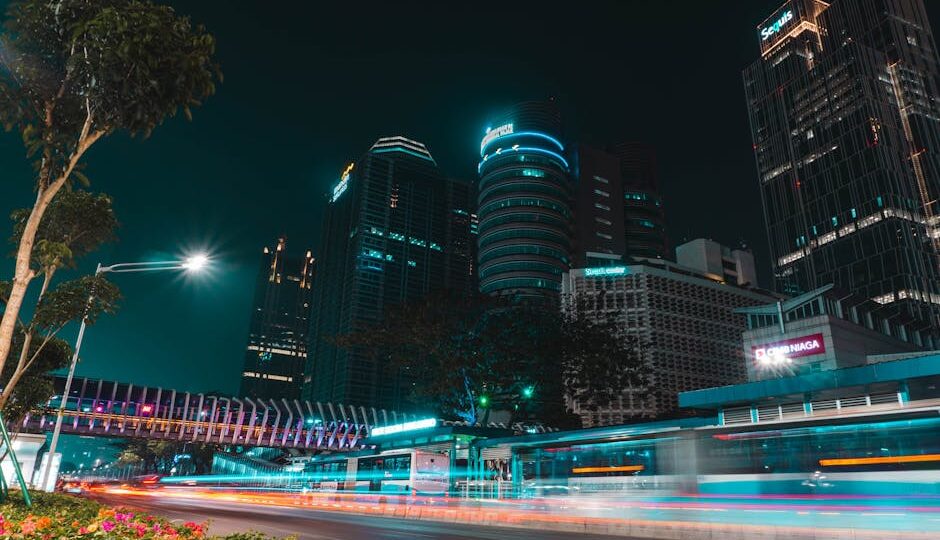
The Rise of the Smart City
In 2026, the term ‘smart city’ is no longer a distant concept or a futuristic dream. It’s a reality we’re living in. Urban landscapes around the world are being redefined by the integration of Internet of Things (IoT) technology, creating connected environments that improve the quality of life for residents while optimizing resource management.
The drive behind this transformation is clear: as populations grow and cities expand, the need for efficient, sustainable, and convenient urban living becomes increasingly pressing. From New York to Tokyo, cities are deploying IoT in innovative ways to meet these needs.
Smart Infrastructure: A Backbone for Urban Transformation
At the heart of the smart city is smart infrastructure—networks of sensors and devices that collect and analyze data in real-time. This infrastructure helps manage everything from traffic flow to energy use. For instance, Barcelona has implemented a smart grid that allows the city to monitor and control its energy consumption more effectively, reducing waste and lowering costs.
In cities like Singapore, smart traffic systems analyze data to adjust traffic light timings, reducing congestion and commuting times. These systems adapt in real-time, responding to accidents, roadworks, and even weather conditions, ensuring smoother and safer travels for all.
Public Safety and Emergency Response
Another critical application of IoT in smart cities is in enhancing public safety and emergency response. Los Angeles has integrated IoT devices in its police and emergency response systems to provide a quicker and more efficient response to incidents. Cameras and sensors detect unusual activities or patterns and alert authorities immediately.
Moreover, IoT-enabled streetlights in cities like Amsterdam can adjust their brightness based on pedestrian presence and even assist in guiding people to safety during emergencies. This adaptive lighting is not only energy-efficient but also contributes to a safer urban environment.
Waste Management and Environmental Monitoring
Efficient waste management has become a hallmark of smart cities. In Seoul, IoT-enabled bins notify waste management services when they are full, optimizing collection routes and reducing unnecessary trips, which saves on fuel and reduces emissions.
Environmental monitoring is another area where IoT shines. Air quality sensors placed throughout smart cities offer real-time data that can prompt alerts and action when pollution levels rise, helping to maintain healthier urban environments. Cities like Beijing have adopted these systems extensively, providing citizens with timely information and reducing health risks associated with poor air quality.
Smart Living: Enhancing Urban Interaction
Smart cities are not just about infrastructure and efficiency; they’re about enhancing the way we live and interact with our environment. In Tokyo, citizens use IoT apps to find available parking spots, reducing the time spent searching and cutting down vehicle emissions.
Additionally, smart public transport systems provide real-time updates and notifications, making commuting more predictable and less stressful. Apps connected to these systems can suggest the best routes and provide alerts for any disruptions, allowing for seamless travel experiences.
The Challenges and the Road Ahead
Despite the many advantages, the shift to smart cities isn’t without its challenges. Privacy concerns and data security are significant issues that must be addressed. Ensuring that these vast networks of connected devices are secure from cyberattacks is a critical task for developers and city planners alike.
The path forward involves careful planning, robust cybersecurity measures, and policies that protect citizens’ privacy. As we continue to innovate, collaboration between government, tech companies, and communities will be essential to overcome these hurdles.
As we witness the transformation of our urban spaces, one thing is clear: IoT is not just changing our cities; it’s reshaping our entire urban experience. By embracing these technologies, we’re stepping into a future where cities are not only smarter but more livable, efficient, and sustainable.
Practical Takeaway: For city dwellers and planners alike, the key to thriving in a smart city lies in embracing technology while balancing the need for privacy and security. Stay informed about your city’s initiatives and explore apps and tools that can enhance your urban living experience.