How to Create a Smart Home Ecosystem in 2026
The smart home revolution is in full swing by 2026, with technology transforming our living spaces into efficient, automated environments. Creating a smart home ecosystem can seem daunting, but with the right approach, it can enhance your daily life dramatically. Here’s how to navigate the latest trends and technologies to build a smart home that works for you.
Understanding the Foundation of Smart Home Technology
Smart homes rely on interconnected devices that communicate with each other and respond to your commands. The linchpin of this ecosystem is a robust Wi-Fi network. In 2026, Wi-Fi 6E and the emerging Wi-Fi 7 protocols offer unprecedented speed and reliability, supporting an ever-growing number of connected devices. Consider investing in a mesh Wi-Fi system, which ensures consistent coverage throughout your home, eliminating dead zones.
Equally important is the choice of a smart home platform. Leading platforms like Amazon Alexa, Google Home, and Apple HomeKit provide the backbone for your smart ecosystem. Each offers unique strengths: Alexa boasts compatibility, Google excels in AI-driven functionalities, and HomeKit is lauded for its stringent privacy controls. Select one that aligns with your preferences and existing devices.
Building a Connected Home: Devices That Matter
As you embark on your smart home journey, focus on devices that offer the most impact. Smart speakers, such as the latest Echo Studio or Google Nest Audio Pro, serve as the command center of your ecosystem. Voice commands not only control music and podcasts but also manage other devices.
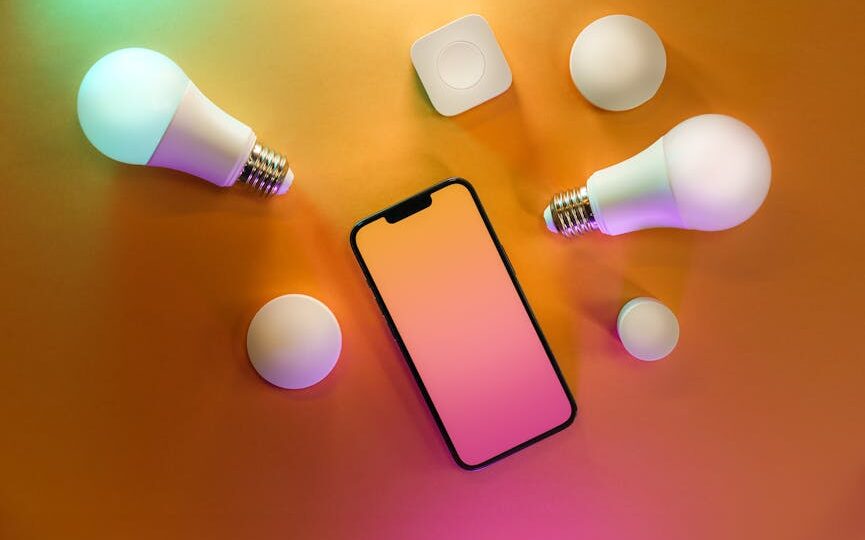
Don’t overlook smart lighting. Brands like Philips Hue and LIFX now offer lights that adjust color temperature automatically based on the time of day, promoting better sleep and productivity. Meanwhile, smart thermostats, such as the Ecobee5 or the Nest Learning Thermostat 4th Gen, optimize energy use by learning your schedule and preferences.
Ensuring Security and Privacy
With smart home devices, security and privacy are paramount. The Z-Wave 700 series and Zigbee 3.0 protocols, prevalent in 2026, provide encrypted communication, reducing the risk of hacking. Furthermore, newer devices come equipped with biometric access, adding an additional layer of security.
Regularly update your device firmware and use secure, unique passwords for each device. Many products now offer multi-factor authentication, doubling the security against unauthorized access. Keep an eye on government regulations, as they increasingly mandate transparency in data collection and usage for smart devices.
Integrating AI and Machine Learning
AI and machine learning are transforming smart homes into truly intelligent environments. By 2026, advancements in AI allow your home to learn from your habits. For example, AI-driven cameras, like the Netatmo Smart Indoor Camera, recognize individual family members and adjust settings accordingly, offering personalized experiences.
AI also plays a role in energy management. Systems like Schneider Electric’s Wiser Energy Center use AI to analyze energy consumption patterns, suggesting optimizations that help reduce costs and environmental impact. These systems provide insights into your energy usage, highlighting inefficient appliances or periods of high consumption.
Exploring the Future: Beyond Basic Automation
The future of smart homes lies in moving beyond basic automation to creating an intuitive living environment. Think of smart mirrors that provide health diagnostics as you get ready in the morning or smart kitchens equipped with AI chefs that suggest recipes based on your fridge contents.
In 2026, augmented reality (AR) is becoming a household staple. Imagine AR overlays in your living room that help organize furniture placement or provide real-time information about the items in your surroundings. The smart home of tomorrow is not just about convenience but enhancing the quality of life through thoughtful technology integration.
Practical Takeaway: Start Small and Scale Up
Creating a smart home ecosystem doesn’t have to be an all-or-nothing endeavor. Start with a few key devices that address your immediate needs, and gradually expand. This approach not only spreads out the investment but also allows you to adapt to new technologies and standards as they emerge.
As you build your smart home, remember to prioritize devices and systems that genuinely enhance your lifestyle and offer tangible benefits. The ultimate goal is a seamless, efficient home that feels personalized and futuristic. By focusing on the essentials and staying informed about the latest advancements, you can create a smart home ecosystem that is both cutting-edge and comfortable.