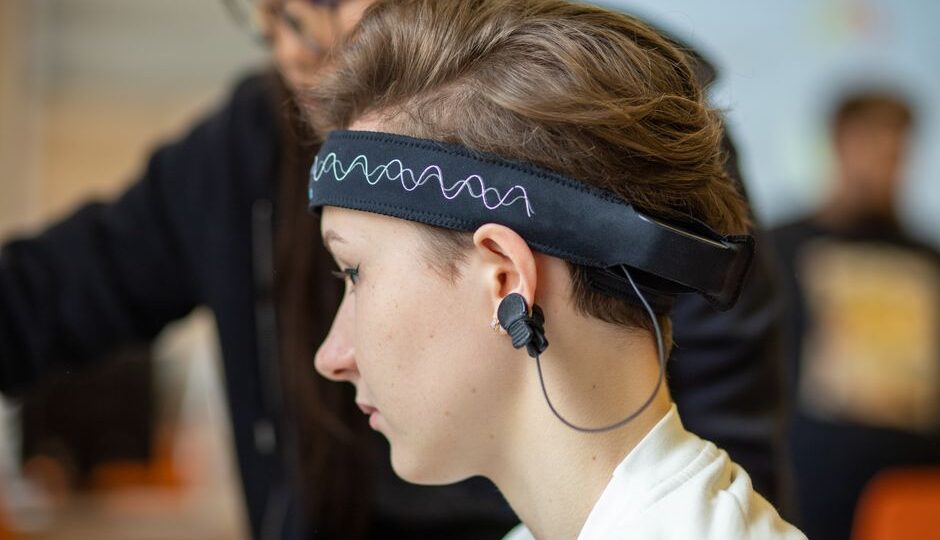
The Rise of Brain-Computer Interfaces
As we move deeper into 2026, brain-computer interfaces (BCIs) are becoming an integral part of our technological landscape. The ability to control devices with our thoughts is no longer the stuff of science fiction. Companies like Neuralink and Kernel are leading the charge, developing interfaces that allow us to connect directly with computers using our neural activity.
These devices are designed to interpret brain signals and translate them into actionable commands for digital devices. Imagine sending a text, browsing the web, or even creating art, all without lifting a finger. The possibilities are expanding as rapidly as the technology itself.
How BCIs are Enhancing Healthcare
The healthcare industry is one of the biggest beneficiaries of BCI technology. In 2026, BCIs are not just helping to restore lost functions but are also enhancing the capabilities of medical professionals. For instance, BCIs are enabling individuals with paralysis to communicate and interact with the world around them. A patient with ALS (Amyotrophic Lateral Sclerosis) can now operate a computer using just their thoughts, thanks to advanced neural mapping and machine learning algorithms.
Moreover, BCIs are being used in neurorehabilitation to help stroke victims regain movement and control in their limbs. This is achieved by stimulating specific brain regions to rewire neural connections, a process that’s showing promising results in clinical trials across the globe.
The Impact on Education and Learning
In education, BCIs are paving the way for personalized learning experiences. By monitoring brain activity, these devices provide insights into how students learn best, allowing educators to tailor their teaching methods accordingly. Imagine a classroom where lessons are dynamically adjusted based on real-time feedback from students’ neural responses.
Furthermore, BCIs are being used to enhance concentration and cognitive function. Students with ADHD, for instance, are finding new ways to manage attention and focus through neural feedback mechanisms. This tech-enabled self-awareness is helping students identify their strengths and weaknesses, leading to more effective learning strategies.
Revolutionizing Entertainment and Gaming
The entertainment industry is also embracing BCIs with open arms. Gaming companies are at the forefront, creating immersive experiences where players control game elements with their minds. By 2026, neurogaming is a fully-fledged genre, offering gamers a level of immersion that traditional controllers simply cannot match.
But it’s not just gamers who are benefitting. Musicians and artists are using BCIs to create music and art in innovative ways. Imagine composing a symphony using nothing but brainwaves, or designing intricate digital art pieces, all with the power of thought.
Challenges and Ethical Considerations
While the potential of BCIs is immense, it’s crucial to address the ethical challenges they present. Data privacy is a significant concern, as BCIs can potentially access and store sensitive neural information. Ensuring robust security measures and clear consent processes is essential to protect users’ mental privacy.
Moreover, the prospect of mind-controlled devices raises questions about autonomy and control. As BCIs become more widespread, it becomes increasingly important to establish guidelines and regulations that ensure these technologies are used ethically and responsibly.
Getting Started with BCIs: What You Need to Know
For those interested in exploring BCIs, starting small is key. Consider consumer-friendly devices like Muse or Emotiv, which offer basic neurofeedback functionalities. These gadgets can help you understand your brain activity and improve mindfulness and concentration.
For developers and entrepreneurs, diving into the BCI space presents a wealth of opportunities. Whether you’re interested in healthcare, education, or entertainment, the market for BCI applications is ripe for innovation. Establish partnerships with health institutions or educational bodies, and explore the endless possibilities this technology holds.
The practical takeaway here? Brain-computer interfaces are no longer just tools of the future. They’re here now, reshaping our lives in 2026. By understanding and engaging with this transformative technology, you can be part of shaping its trajectory and impact on society.