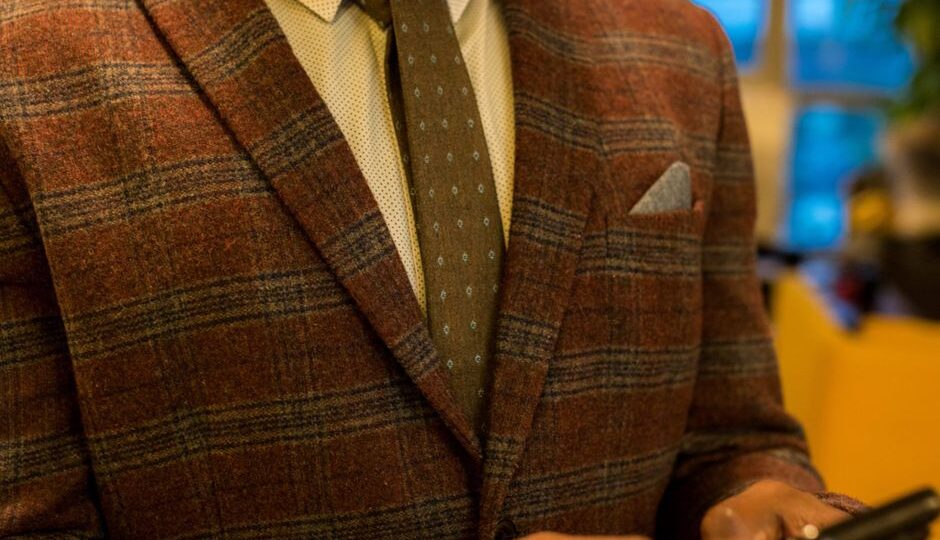
The Textile Revolution: Where Fashion Meets Technology
Welcome to 2026, a year where fabrics are no longer just about style and comfort but are at the forefront of technological innovation. Smart textiles, or e-textiles, are reshaping the fashion industry by integrating digital components and electronics into everyday clothing. From sportswear to formal attire, these garments are not just about looking good; they’re about functionality, interactivity, and new experiences.
Functionality Meets Fashion
Smart textiles offer a multitude of functions previously unimaginable in everyday clothing. Imagine a jacket that changes color based on temperature or a dress that charges your phone as you walk. This isn’t science fiction anymore. Today, brands like CuteCircuit and Google Jacquard are pioneering these developments, creating garments that are both aesthetic and high-tech. Take for instance the Levi’s Commuter Trucker Jacket, which allows cyclists to control their smartphones with just a swipe on their sleeve.
Health Monitoring on the Go
In 2026, health-conscious consumers are driving demand for smart textiles that monitor their vital signs. Garments embedded with sensors can track heart rate, body temperature, and even hydration levels. Hexoskin, a leader in this space, offers smart shirts that provide real-time health data, helping athletes optimize their performance and monitor recovery. This technology isn’t limited to professional athletes; everyday users benefit too, as the data can be synced with health apps for a comprehensive health overview.
Sustainable Fashion: Rethinking the Fabric Lifecycle
As the fashion industry faces scrutiny over environmental impact, smart textiles offer a sustainable alternative. By using biodegradable materials and energy-efficient manufacturing processes, these garments reduce waste and carbon footprint. Companies like Bolt Threads are innovating with mycelium leather and silk-like fabrics made from protein-based yarns. These materials not only mimic traditional textiles in comfort and durability but are also fully compostable, ensuring a minimal environmental impact.
Challenges in the Smart Textile Industry
Despite the excitement, smart textiles face significant hurdles. Durability and washability remain top concerns. Consumers expect their clothes to endure through daily wear and regular washing, a challenge for electronics-embedded fabrics. Additionally, the cost of production remains high, making these innovations less accessible to the average consumer. However, as technology advances and production processes become more efficient, we can expect prices to decrease, making smart textiles more mainstream.
Practical Takeaway: Embrace the Future of Fashion
As smart textiles continue to evolve, they promise to revolutionize not just how we dress but how we interact with technology daily. Whether you’re a tech enthusiast or a fashion aficionado, exploring smart textiles can offer new insights into the future of wearable technology. Consider investing in a piece of clothing that not only complements your style but also enhances your lifestyle by integrating useful technology seamlessly into your everyday wardrobe.