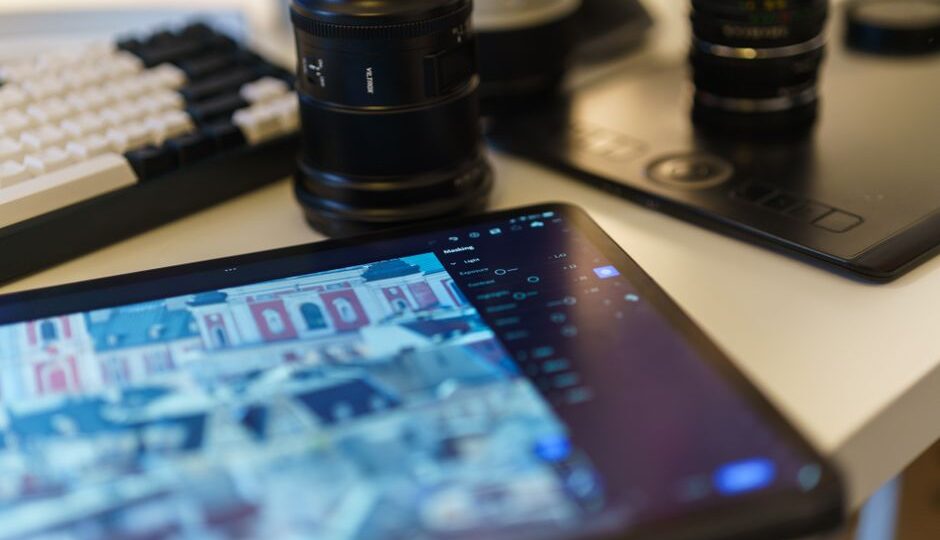
Introduction to the Digital Renaissance
The landscape of digital art has seen a revolutionary transformation in 2026. With the advent of advanced AI tools, immersive VR environments, and intuitive haptic technologies, artists have more power than ever to create stunning works with unprecedented precision. This era is not just about digital brushes and pixels; it’s a full-fledged creative experience that blends technology with human ingenuity.
The Role of AI in Art Creation
The year 2026 has marked a significant shift in how artificial intelligence is integrated into art creation. Today, AI tools can analyze an artist’s unique style and suggest enhancements or alternative approaches, allowing for a collaborative creation process that was once unimaginable. Platforms like ArtifAI Studio have democratized access to these technologies, offering subscription models that give artists of all levels the tools to push creative boundaries.
AI isn’t just about generating art independently. Instead, it acts as a creative partner, offering suggestions that can inspire artists to explore new artistic directions. This partnership allows for more expressive freedom, as artists can refine their techniques with instant feedback and guidance.
Immersive Virtual Reality Studios
Virtual reality has moved beyond gaming and is now a staple in digital art creation. The immersive nature of VR allows artists to step inside their creations, manipulating and sculpting their work as though it were a tangible object. Companies like Unity and Unreal Engine have developed tools specifically for artists, enabling them to build 3D environments and characters in a virtual space.
This immersive approach not only enhances the creative process but also opens up new avenues for experiencing art. Imagine walking through a digital gallery where each piece can be interacted with, offering a unique experience for every viewer. This interactive element is redefining how audiences engage with art, making it a shared experience rather than a solitary one.
The Impact of Haptic Technology
One of the most exciting advancements in 2026 is the integration of haptic technology into digital art studios. This technology provides tactile feedback to artists, simulating the sensation of touching real objects. This means artists can feel the texture of virtual clay or the resistance of a brush against a digital canvas, bringing a new level of realism to digital art creation.
Devices like the HoloGlove have become essential tools for digital artists, allowing for a more intuitive and immersive way to create. This tactile feedback bridges the gap between digital and physical art, making it easier for traditional artists to transition into the digital realm without losing the essence of their craft.
Accessibility and Community Building
One of the most profound impacts of these technological advancements is the increased accessibility they provide to artists worldwide. Digital art studios no longer require expensive equipment or extensive training. Instead, they offer user-friendly interfaces and online tutorials, bringing professional-grade tools to anyone with a computer and internet connection.
Moreover, these platforms have fostered vibrant online communities where artists can share their work, collaborate, and learn from one another. Platforms such as DeviantArt and ArtStation have expanded their community features, enabling artists to host virtual workshops and galleries, further enhancing their reach and influence.
Practical Takeaway
If you’re an artist looking to explore new horizons, now is the perfect time to dive into the world of digital art studios. Whether you’re interested in collaborating with AI, creating immersive virtual environments, or feeling the physicality of digital mediums through haptics, the tools are more accessible than ever. Embrace this digital renaissance—your creative potential is limitless.