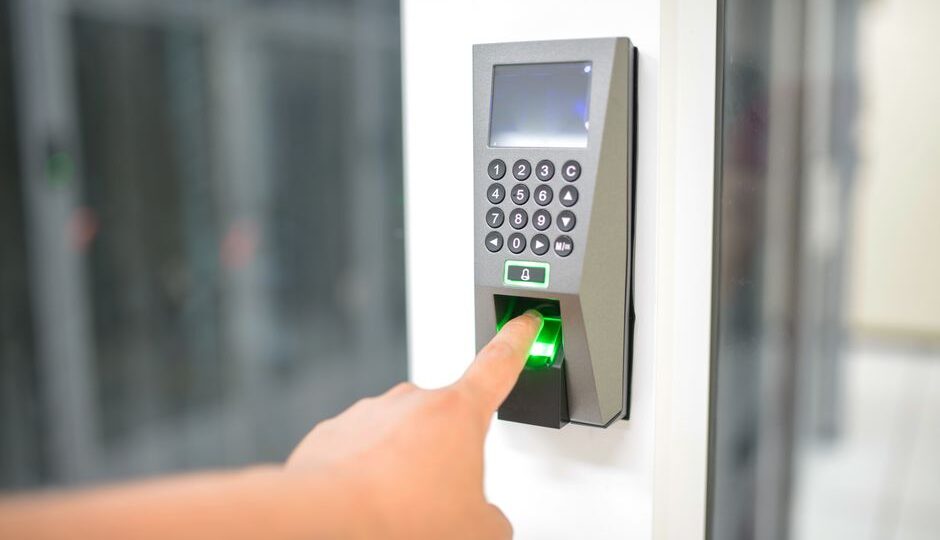
An Era of Identity: The Rise of Biometrics
Welcome to 2026, where biometric technology has become the norm rather than the exception. The days of remembering countless passwords or carrying around keys are fading, as biometric identification systems have taken center stage. Advances in fingerprint, iris, and facial recognition technologies promise not only enhanced security but also unprecedented convenience. But is it all sunshine and rainbows?
The global market for biometrics has skyrocketed, projected to reach $65 billion by the end of 2026. With this rapid adoption, however, come crucial conversations about privacy, security, and the ethical implications of using personal biological data.
Facial Recognition: The New Key to Cities
Imagine walking through the bustling streets of Tokyo, where facial recognition systems have replaced traditional turnstiles in subway stations. By simply scanning your face, your identity is verified, your fare deducted, and you’re on your way. In 2026, cities across the globe are implementing facial recognition not just for convenience but for safety, tracking down lost individuals and preventing crime before it happens.
However, critics argue that these systems can be invasive, with an unsettling potential to monitor citizens’ every move. The key lies in balancing innovation with regulation, ensuring that data is used ethically and transparently.
Voice Recognition: Your Personal AI Guardian
Smart homes have become indispensable in our daily routines, and voice recognition technology is the linchpin holding them all together. From adjusting your thermostat in New York to ordering groceries in London, voice commands have streamlined how we interact with our environment.
Yet, as these systems gather vast amounts of voice data, the question of how this information is stored and protected becomes critical. Companies are investing heavily in encryption technologies to ensure that your data doesn’t fall into the wrong hands, making security a top priority.
Fingerprint Scanners: More than Just Access
Remember the days when fingerprint scanners were just an optional security feature on smartphones? Now, they’re ubiquitous, integrated into everything from hotel room doors to ATMs. In 2026, these scanners offer more than just security—they provide insights into health, detecting anomalies in your heartbeat or stress levels and alerting you to potential health issues.
This dual functionality has made fingerprint technology invaluable. However, it also raises ethical concerns about who has access to such sensitive health data and how it’s used.
Iris Scanning: The Frontier of Financial Transactions
Iris scanning has emerged as the vanguard of secure financial transactions. In bustling financial hubs like Singapore, banks have adopted iris recognition to authenticate high-value transactions, replacing traditional PIN codes and passwords.
This leap in security, while groundbreaking, is not without its challenges. Cybersecurity experts warn that no system is infallible and urge for continuous improvements and fail-safes to protect against potential breaches.
The Road Ahead: Privacy, Security, and Trust
As we delve deeper into a biometric-driven world, the biggest challenge remains building trust. Users must feel confident that their data is secure and their privacy respected. Companies and governments must work hand in hand to create frameworks that protect individuals while embracing innovation.
In a world where a glance, a touch, or a voice can unlock new possibilities, the importance of ethical guidelines cannot be overstated. Biometrics holds the promise of a more secure and convenient future, but it’s up to us to navigate its complexities responsibly.
Practical Takeaway: As biometric technology continues to evolve, staying informed and vigilant is key. Keep an eye on privacy settings, understand how your data is used, and advocate for transparent practices. The future of personal security and privacy is in our hands.