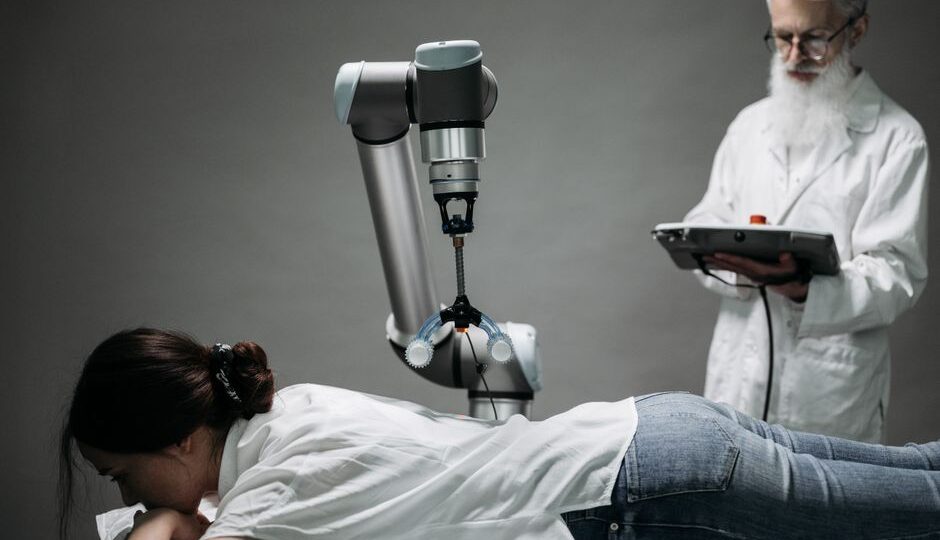
The AI Surge in Healthcare
The healthcare landscape in 2026 is almost unrecognizable compared to what it was just a few years ago. Artificial Intelligence (AI) has seeped into every nook and cranny of patient care, enhancing outcomes, streamlining operations, and redefining what’s possible. With the global AI healthcare market projected to surpass $200 billion by the end of this year, it’s clear that this trend is not just a phase—it’s the future.
Personalized Medicine: Tailored Treatments
Gone are the days of one-size-fits-all treatments. Thanks to AI, personalized medicine is no longer a distant dream but a daily reality. AI algorithms analyze vast datasets to understand genetic, environmental, and lifestyle factors that affect individual patients. This means more precise diagnoses and treatment plans that are customized to each person’s unique genetic makeup. Imagine being able to predict how a patient will respond to a specific medication before it’s ever prescribed. This is the power of AI in personalized medicine.
AI in Diagnostics: Early Detection Saves Lives
AI-powered diagnostic tools are revolutionizing how we detect diseases. From imaging to pathology, AI systems are faster and often more accurate than human practitioners. For example, AI’s role in radiology has been a game-changer, enabling the detection of anomalies in medical images with remarkable accuracy. Diseases like cancer are being caught earlier than ever, drastically improving patient prognoses. In fact, AI systems have been credited with reducing diagnostic errors by up to 50% in some studies.
Robotics in Surgery: Precision Redefined
Surgical robots aren’t new, but AI has significantly enhanced their capabilities. Today, robots guided by AI can perform complex surgeries with precision that human hands simply can’t match. These robots are not replacing surgeons but providing them with tools to perform procedures with greater accuracy, less invasively, and with faster recovery times for patients. Surgeons can now operate remotely, bringing high-quality surgical care to areas that were previously inaccessible.
Administrative Efficiency: Streamlining Operations
AI isn’t just for the doctors; it’s also transforming the administrative side of healthcare. Automated systems handle scheduling, billing, and even initial patient triage, freeing up valuable time for healthcare providers to focus on patient care. Natural language processing (NLP) tools streamline the management of medical records by transcribing and organizing notes in real time. This efficiency not only reduces errors but also significantly cuts costs, with some healthcare facilities reporting savings of up to 30%.
Practical Takeaway: Embracing AI in Healthcare
The integration of AI into healthcare is reshaping how we think about patient care. While challenges remain—such as data privacy and the need for regulatory frameworks—the benefits are compelling and undeniable. As AI continues to advance, patients and providers alike should be prepared to embrace this technology for better outcomes and a healthier future.