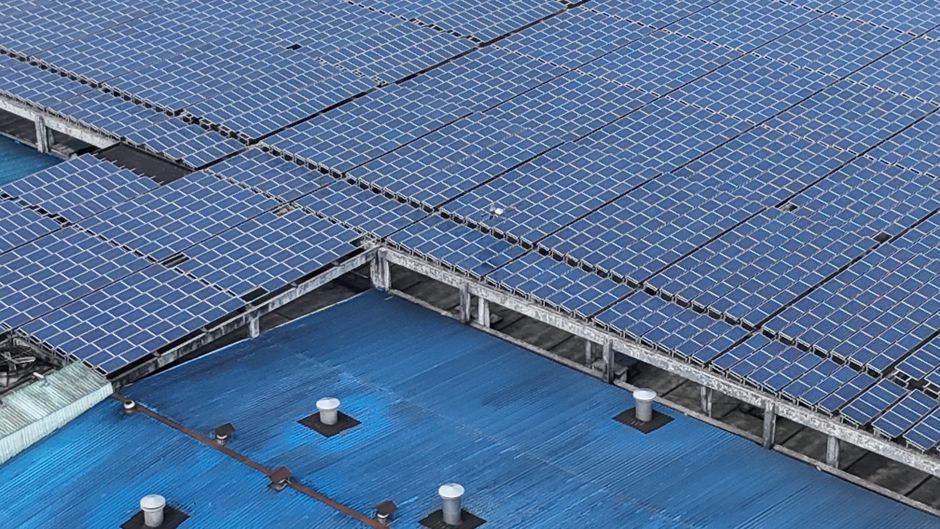
The Rise of Smart Solar Panels
Solar energy has evolved tremendously in the last few years, and 2026 marks a significant leap forward with the introduction of smart solar panels. These aren’t your regular roof adornments. Instead, they’re packed with AI technology that optimizes energy collection, adapts to weather changes, and even communicates with other smart devices in your home. Companies like SolarGenius and SunSmart have been leading the charge, integrating sensors and real-time data analytics into every panel.
Adaptive Learning Technology
Imagine a solar panel that learns from its surroundings. With adaptive learning technology, smart panels can now adjust their angle based on the sun’s position, seasonal shifts, and even cloud patterns. This constant calibration ensures maximum energy efficiency. For urban dwellers in cities such as San Francisco or London, where the weather is notoriously unpredictable, this means a more reliable power source year-round.
Integration with Smart Home Systems
Smart panels are not just standalone devices. They’re an integral part of a connected home ecosystem. Integration with platforms like Google Home and Apple’s HomeKit allows for seamless communication between your energy system and other smart appliances. Your solar panel can now predict and manage your energy usage, offering suggestions for when to run energy-intensive devices, or even automate these processes for you.
Environmentally and Economically Friendly
Beyond the tech appeal, smart solar panels offer substantial environmental and economic benefits. According to the U.S. Department of Energy, homes equipped with these panels have reported up to a 30% increase in energy savings. Moreover, they decrease reliance on fossil fuels, contributing to a significant reduction in carbon footprints. Homeowners in regions with high energy costs, like California or New York, are finding that the initial investment pays off faster than ever before.
Challenges and Considerations
While the benefits are clear, transitioning to smart solar technology is not without its challenges. Installation requires a skilled workforce, which is still catching up with demand. Furthermore, the initial cost can be a deterrent, although government incentives and rebates are continuously being updated to mitigate this. For those living in historic districts or under strict homeowners association guidelines, getting approval for installation can sometimes be a hurdle.
The Future of Solar Innovation
As we move forward, the prospects for solar technology continue to expand. Concepts like solar roofs and transparent panels are not just science fiction but are becoming viable products. These innovations promise to further embed solar power into every aspect of our lives, making energy independence a reality for many. The ongoing research and development in this field suggest a bright, sustainable future where energy is abundant and affordable for everyone.
For those considering an upgrade, 2026 presents an unbeatable opportunity to join the solar revolution with the latest in smart technology. The benefits extend beyond personal savings and environmental impact—it’s about being part of a movement that’s reshaping how we think about energy consumption.