The Electrifying Shift: What’s Driving the EV Revolution?
Electric vehicles (EVs) have become more than just a hot topic—they are transforming how we think about transportation. Once a niche market, EVs are rapidly becoming the norm. By 2026, the global EV market is expected to reach 14 million units sold annually, driven largely by advancements in battery technology and increased consumer demand for sustainable options. Countries like Norway, where over 95% of new cars sold are electric, offer a glimpse into this electrifying future.
The Battery Breakthrough: Powering the Future
Battery technology has come a long way since the days of Tesla’s early models. The introduction of solid-state batteries, which promise greater energy density and faster charging times, is perhaps one of the most significant advancements. In 2026, manufacturers like Toyota and QuantumScape have led the charge, achieving up to 50% more range compared to traditional lithium-ion batteries. This breakthrough has not only extended the driving range of EVs to over 500 miles per charge but also reduced charging time to just 15 minutes.
Autonomous Driving: The Road Ahead
As EV technology advances, so does the integration of autonomous driving features. By 2026, many new electric vehicles come equipped with Level 4 autonomous technology, enabling them to handle most driving tasks without human intervention. Companies like Waymo and Tesla have been at the forefront, deploying fleets of autonomous taxis in cities like San Francisco and Dubai. These innovations are not only making driving safer but are also reshaping urban landscapes by reducing the need for personal car ownership.
Charging Infrastructure: Bridging the Gap
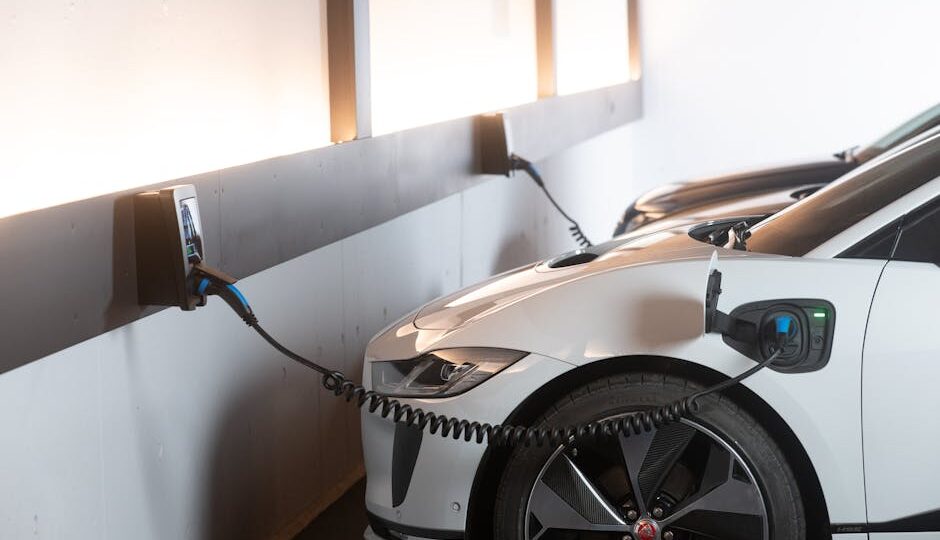
A robust charging infrastructure is essential for the mass adoption of EVs. By 2026, we are witnessing a significant expansion of fast-charging networks across the globe. The United States has added over 500,000 charging stations, with Europe and China not far behind. Governments are investing heavily, with cities like Amsterdam and Los Angeles leading the way by offering incentives for businesses that install charging stations. This growth is crucial in addressing the convenience gap that has, at times, hindered EV adoption.
The Environmental Impact: A Breath of Fresh Air
Switching to electric vehicles is not just about convenience or tech appeal; it’s a vital step towards reducing carbon emissions. In 2026, transportation accounts for roughly a quarter of global CO2 emissions. EVs, with their zero tailpipe emissions, are playing a pivotal role in slashing these numbers. Cities like Copenhagen and Vancouver are already experiencing improved air quality and quieter streets, thanks to a widespread shift to electric transportation. These changes have significant public health benefits, including reduced respiratory illnesses and noise pollution.
Practical Takeaway: Accelerating Your Journey Towards an Electric Future
For those considering the switch to an electric vehicle in 2026, the benefits are clear—lower running costs, less environmental impact, and cutting-edge technology. When choosing an EV, consider factors such as range, charging options, and manufacturer support. Taking advantage of government incentives, such as tax breaks and rebates, can also significantly offset initial costs. The road to a greener future is paved by proactive choices and embracing the technological advancements that define this era.