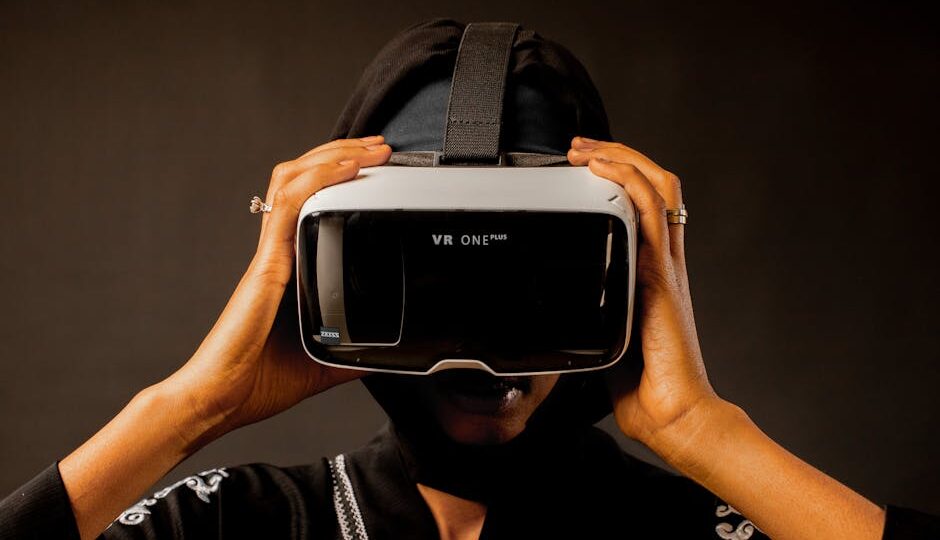
The Power of Augmented Reality in Storytelling
In 2026, the landscape of storytelling has been dramatically reshaped by augmented reality (AR). No longer confined to traditional formats, narratives have leapt off the pages and screens, inviting audiences to step inside the stories themselves. AR technology has become incredibly sophisticated, allowing storytellers to overlay digital content onto the real world seamlessly. This technological leap has turned cities like Tokyo and New York into ever-evolving canvases for immersive public art installations and interactive narratives.
One of the most noteworthy applications of AR is in education. Imagine learning history not from a textbook but by walking through a virtual rendition of the ancient city of Rome, laid out across your local park. This method of storytelling doesn’t just tell students about the past; it lets them experience it firsthand, making learning both engaging and deeply memorable.
Virtual Reality: Crafting Entire Worlds
Virtual Reality (VR) continues to revolutionize the art of storytelling by creating fully immersive worlds that defy the boundaries of reality. From literature to cinema, VR has birthed new genres of interactive experiences, allowing audiences to become active participants rather than passive observers.
Take, for example, the burgeoning field of VR cinema. In Los Angeles, the annual VR Film Festival showcases films where viewers can choose different story paths, altering outcomes based on their decisions. This approach has given rise to a new breed of filmmakers who blend traditional narrative techniques with interactive storytelling, creating experiences that are as personal as they are universal.
Interactive Storytelling: Putting the Audience in Control
Interactive storytelling in 2026 goes beyond simply choosing an alternate ending; it involves the audience in the narrative process. Through platforms like StoryLink, creators have access to tools that allow them to craft narratives where the audience’s actions determine the story’s progression.
These platforms have been a boon for indie developers and storytellers who wish to create without the constraints of traditional media. For instance, a young writer from Mumbai recently released an interactive novel where readers guide the protagonist through a futuristic city, making choices that affect the city’s fate. This not only keeps the audience engaged but also adds layers of depth and replayability to the narrative experience.
Challenges and Opportunities in Narrative Tech
The journey into these new storytelling realms isn’t without its challenges. One significant hurdle is the accessibility of AR and VR technology. While major cities are well-equipped with AR-ready infrastructure, smaller towns and less developed regions might not be as fortunate. However, efforts are underway to democratize these technologies. Companies like OpenView are pioneering affordable AR glasses and VR setups, aiming to bring these experiences to a wider audience.
Moreover, there’s the challenge of content overload. With so many creators entering the field, maintaining quality and originality becomes crucial. Yet, this also presents an opportunity for innovation. As creators push boundaries, they are finding new ways to blend technology and storytelling, resulting in experiences that are as thought-provoking as they are entertaining.
Practical Takeaway: Embrace the New Storytelling Frontier
The evolution of storytelling in 2026 is just beginning, and the tools to create these immersive experiences are more accessible than ever. Whether you’re an educator, filmmaker, or hobbyist, exploring AR and VR storytelling could redefine how you engage with your audience. Start small — perhaps with a local AR project that combines community history with interactive elements — and build from there. The future of storytelling is immersive, interactive, and waiting for you to step inside.