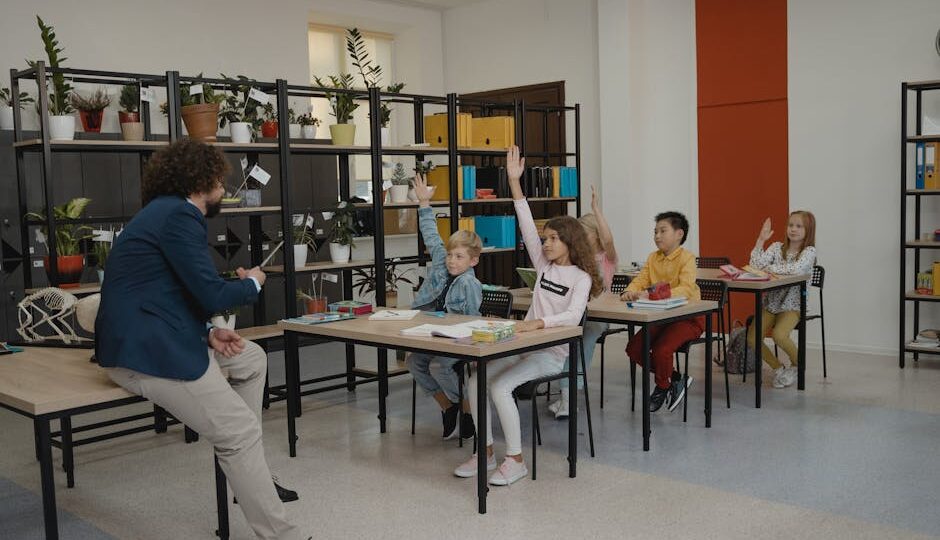
The Classroom Revolution: AI’s Role in Education
Education has undergone a staggering transformation in recent years, evolving at a pace even the most optimistic futurists might not have anticipated. It’s 2026, and AI isn’t just a buzzword in education anymore—it’s a full-fledged partner in the learning process. From personal tutors to administrative aides, AI is reshaping how educators and students interact with knowledge.
Personalized Learning Paths
One of the most significant advancements has been the creation of personalized learning paths for each student. AI systems now analyze individual performance, learning styles, and even emotional states to tailor lesson plans accordingly. Imagine a fifth-grader named Lily, who’s particularly interested in environmental science. Her AI learning platform suggests projects and modules that feed her curiosity, while addressing her weak spots in math through interactive games and real-world problem-solving scenarios.
AI-Powered Tutoring and Assistance
Forget your run-of-the-mill study sessions. AI-powered tutors have become indispensable tools for students. Platforms such as TutorBot and LearnMate provide real-time assistance, adapting to student queries with remarkable precision. For example, TutorBot can assist a high school student struggling with calculus by providing step-by-step solutions, identifying common mistakes, and suggesting additional resources—all based on the student’s unique learning pattern.
Streamlining Administrative Tasks
Teachers and administrators now find themselves with a precious resource: time. AI’s ability to handle administrative tasks is nothing short of revolutionary. From grading papers with machine precision to managing schedules and communicating with parents, AI systems like SchoolSync have taken the heavy lifting out of school management. This shift allows educators to focus more on teaching and less on paperwork, enhancing the educational experience for everyone involved.
Bridging the Gap with Virtual Classrooms
The rise of virtual classrooms, powered by AI, has made education more accessible than ever. Students in remote areas, or those with disabilities, can access the same quality education as their peers in urban centers. Virtual Classroom platforms like EdTech Connect utilize AI to create inclusive learning environments that accommodate various needs and facilitate interaction between students and teachers worldwide.
Addressing Ethical Concerns
As with any technological advancement, the integration of AI in education comes with its ethical concerns. Data privacy stands at the forefront. AI systems collect vast amounts of information, and safeguarding this data is crucial. Additionally, ensuring that AI doesn’t inadvertently reinforce biases present in historical data is a pressing challenge. Initiatives are underway to create transparent, ethical AI systems that promote fairness and equity in education.
Practical Takeaway: Embracing AI in Education
The integration of AI into education systems is not just a trend; it’s a new standard. Educators, administrators, and policymakers must embrace these technologies, guided by ethical considerations, to foster environments where students can thrive. By leveraging AI’s capabilities, we can ensure that every student, regardless of location or background, has the opportunity to succeed in an ever-evolving educational landscape.