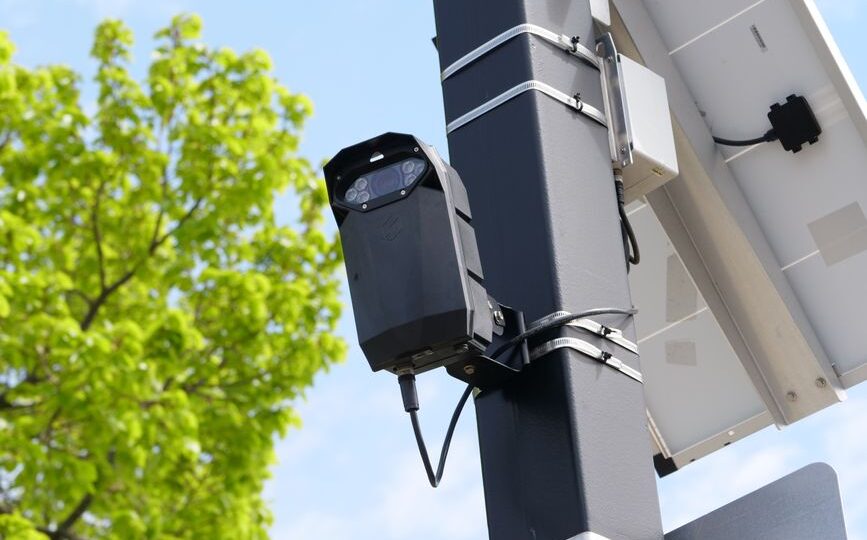
The Invisible Eyes of LiDAR: An Introduction
LiDAR, or Light Detection and Ranging, is no stranger to tech enthusiasts. However, 2026 marks a pivotal year where its impact is felt across various industries more than ever before. This technology, which uses laser beams to map out environments, is quietly redefining how we interact with the world. What was once confined to academic circles and niche industrial applications is now at the forefront of innovation in fields ranging from autonomous vehicles to archaeology.
Mapping the Future: LiDAR in Autonomous Vehicles
In the race to perfect self-driving cars, LiDAR stands out as a critical component. Companies like Waymo and Tesla have doubled down on integrating advanced LiDAR systems into their fleets, ensuring these vehicles can accurately perceive and navigate environments. With a resolution increase of 300% since 2025, LiDAR systems now create unbelievably detailed 3D maps, allowing for safer and more efficient rides. This advancement is not just a technological leap; it’s a safety net that ensures we trust the tech guiding us on the roads.
Archaeology’s Digital Revolution
LiDAR has breathed new life into archaeology. In 2026, it has helped uncover previously hidden sites in the dense jungles of Guatemala and the expansive deserts of Egypt. With the ability to penetrate dense vegetation and other surfaces, archaeologists are discovering ancient civilizations without disturbing delicate ecosystems. This non-invasive method allows for a deeper understanding of our history, offering insights into human civilization that were previously out of reach.
Improving Urban Planning and Infrastructure
City planners in metropolises like New York and Tokyo are leveraging LiDAR to reimagine urban landscapes. By creating highly accurate topographical maps, LiDAR helps in designing infrastructure that is more resilient to natural disasters. In 2026, its role in flood prevention and mitigation in cities prone to heavy rainfall is indispensable. Moreover, it aids in the smart city revolution, ensuring that new developments seamlessly integrate with existing urban fabrics.
Environmental Monitoring and Conservation
The climate crisis demands precise data, and LiDAR delivers. Environmentalists are utilizing it to monitor deforestation rates in the Amazon, measure changes in Arctic ice sheets, and track wildlife populations in African savannas. The ability to measure changes with millimetric precision provides conservationists with the data needed to make informed decisions and advocate for policy changes. In 2026, the fight against climate change has a powerful ally in LiDAR.
Practical Takeaway: The Unseen World Made Visible
LiDAR technology is a testament to innovation’s power to transform how we perceive and interact with the world. By making the invisible visible, it opens up new possibilities across multiple disciplines. As we continue to integrate LiDAR into various aspects of our lives, it serves as a poignant reminder of technology’s potential to understand and enhance our environment. Whether you’re driving the latest autonomous vehicle or studying ancient ruins, LiDAR is there, quietly illuminating the path forward.