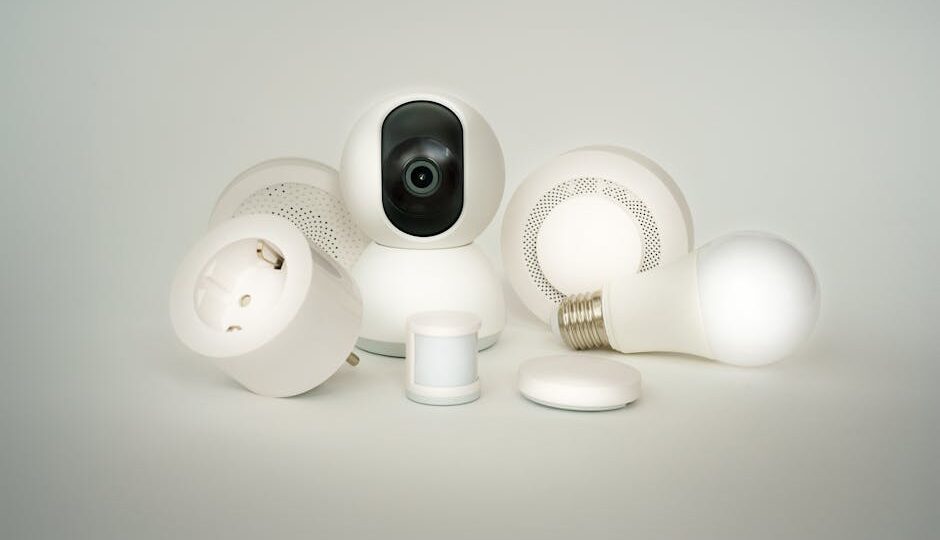
How to Protect Your Privacy in the Age of IoT Devices
As we move deeper into the digital era, our homes and lives are becoming smarter, seamlessly connected through the Internet of Things (IoT). From smart refrigerators in New York City apartments to automated cars cruising the streets of San Francisco, IoT devices have become integral to our daily routines. Yet, with this convenience comes an undeniable concern: privacy.
In 2026, reports show that the average American household owns at least 20 IoT devices. While these gadgets offer incredible benefits, they also introduce vulnerabilities. Cybersecurity breaches have become increasingly common, with hackers targeting everything from smart thermostats to voice-activated assistants. So, how can you safeguard your privacy in this interconnected world? Here’s what you need to know.
Understand the Risks
The first step in protecting your privacy is comprehending the potential risks associated with IoT devices. These devices collect vast amounts of data, from personal preferences to sensitive health information. For instance, a smart fridge might track your dietary habits, while a fitness tracker logs your physical activities and health metrics.
Once collected, this data is often stored in the cloud, making it a lucrative target for cybercriminals. A 2025 report by the Federal Trade Commission highlighted that 30% of cyber-attacks were directed towards IoT devices. Understanding these risks can help you make informed decisions about which devices to bring into your home.
Choose Your Devices Wisely
Not all IoT devices are created equal when it comes to security. Before purchasing a new gadget, research its security features. Check if the manufacturer provides regular software updates and has a strong privacy policy. Brands with a track record of addressing vulnerabilities quickly are often more reliable.
For example, companies like Google and Amazon have been proactive in securing their smart speakers, regularly updating device software to patch security loopholes. On the other hand, lesser-known brands may not provide the same level of security commitment.
Secure Your Network
Your home network is the backbone connecting all your IoT devices. Thus, ensuring its security is paramount. Start by renaming your Wi-Fi network. Avoid using easily identifiable names like your surname or address, which can give away crucial information to potential attackers.
Change the default password on your router to a strong, unique passphrase. Use WPA3 encryption if available, as it offers better security than its predecessors. Furthermore, consider setting up a separate network for your IoT devices. This way, even if one gadget is compromised, the breach won’t necessarily affect your primary devices like computers or smartphones.
Be Mindful of Permissions
Many IoT devices request permissions that may not be necessary for their functionality. Voice assistants, for instance, might ask for access to your contacts or location data. Always review these permissions and disable any that seem excessive or irrelevant.
In 2024, a study by the University of Oxford found that over 70% of IoT users rarely checked the permissions granted to their devices. By regularly reviewing and updating these settings, you can significantly reduce the amount of personal data being shared.
Implement Multi-Factor Authentication
Adding an extra layer of security can go a long way in protecting your data. Multi-factor authentication (MFA) requires not just a password but also a secondary form of verification, such as a text message or an authentication app. This makes it significantly harder for hackers to gain unauthorized access.
Many IoT devices and associated apps now support MFA. Enabling this feature can provide peace of mind, knowing that your personal information is less vulnerable to breaches.
Regularly Update Your Devices
Manufacturers frequently release software updates to patch security vulnerabilities and improve device functionality. However, studies indicate that only 40% of users keep their IoT gadgets up to date. Make it a habit to check for updates regularly and install them promptly.
Consider setting automatic updates where possible, ensuring that your devices are always running the latest, most secure software version.
Practical Takeaway
While IoT devices offer unparalleled convenience, they also pose unique privacy challenges. By understanding the risks, choosing secure devices, protecting your network, managing permissions, implementing MFA, and keeping your gadgets updated, you can significantly enhance your privacy.
As technology evolves, staying informed and vigilant is crucial. Remember, your data is valuable. Protecting it should be a priority as you embrace the IoT revolution.