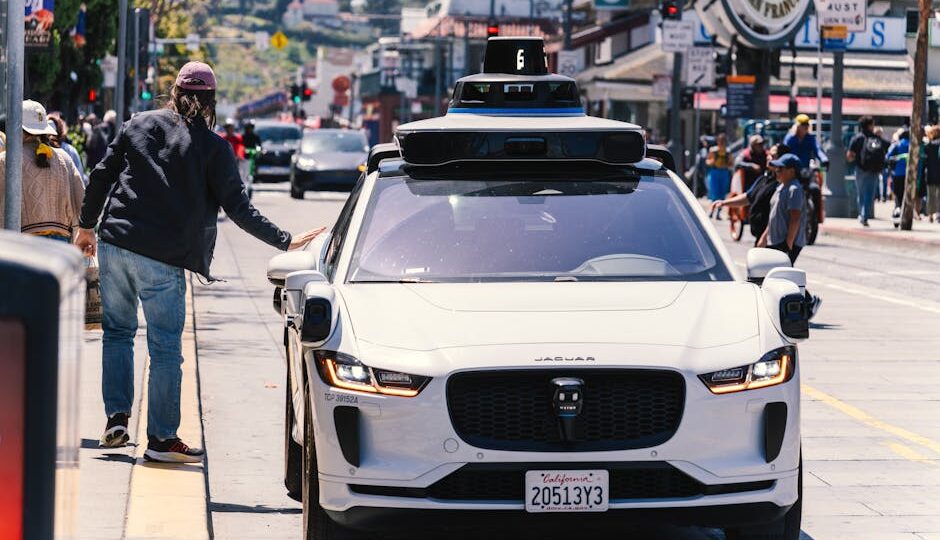
The Current Landscape of Autonomous Vehicles
As we stand in 2026, the landscape of autonomous vehicles (AVs) has evolved significantly since their early days. Cities across the globe are adapting to this new technology, with pilot programs in full swing in places like San Francisco, Tokyo, and Berlin. The highways are increasingly shared by human-driven and autonomous cars, as companies like Tesla, Waymo, and Cruise continue to push the boundaries of what’s possible.
In cities like Phoenix, Arizona, fully autonomous taxi services have already become a part of daily life for many residents. These services have proven not only safe but also incredibly efficient, reducing traffic congestion and lowering emissions by optimizing driving routes.
Technological Advances on the Horizon
Looking forward to 2027, we can expect several technological advancements that will further integrate AVs into our everyday lives. One of the most anticipated developments is the integration of 5G networks, which will enhance vehicle-to-everything (V2X) communication. This means AVs will be able to communicate not only with each other but also with traffic signals, road signs, and even pedestrians’ smartphones for safer and more efficient travel.
Moreover, advancements in artificial intelligence and machine learning will enhance the decision-making capabilities of AVs. With these improvements, vehicles will better understand and predict human behaviors, making them more adept at navigating complex urban environments.
Regulatory Changes and Challenges
The rise of autonomous vehicles isn’t just about technology; it’s also about navigating a complex web of regulations. Governments worldwide are working to establish the legal frameworks necessary for AVs to operate safely on public roads. In the United States, the National Highway Traffic Safety Administration (NHTSA) is expected to release updated guidelines by 2027, which will likely standardize AV testing and deployment protocols.
However, regulatory challenges persist. Privacy concerns regarding data collection and cybersecurity threats are ongoing issues that need to be addressed. As AVs become more prevalent, ensuring that they cannot be easily hacked or manipulated will be paramount.
Economic Impacts and Job Market Shifts
With the rise of AVs, we’re also seeing shifts in the economic landscape and job market. By 2027, it’s estimated that the AV industry could contribute up to $7 trillion to the global economy. This growth is driven not only by the sale of autonomous vehicles but also by related services, such as ride-sharing and logistics.
However, this shift also means changes for the job market. While new jobs will be created in tech development and fleet management, traditional driving jobs may decrease. This necessitates a focus on retraining and upskilling workers to adapt to the new demands of a tech-driven economy.
Environmental and Social Implications
Autonomous vehicles have the potential to significantly reduce the environmental impact of transportation. By 2027, many AVs will be electric, contributing to lower carbon emissions and cleaner air in urban areas. Additionally, optimized driving patterns can lead to reduced traffic congestion and fuel consumption.
From a social perspective, AVs promise increased mobility for those who are unable to drive, such as the elderly or disabled. This inclusivity can enhance their quality of life by providing greater access to essential services and social interactions.
Practical Takeaways for Embracing the Autonomous Future
As we approach 2027, it is crucial for cities, companies, and individuals to prepare for the widespread adoption of autonomous vehicles. Investing in infrastructure that supports AVs, such as smart traffic signals and dedicated lanes, will be essential. On a personal level, staying informed about the latest developments and considering how AVs might fit into one’s lifestyle can help ease the transition.
Ultimately, the rise of autonomous vehicles marks a transformative shift in the way we move. By understanding the technological, regulatory, economic, and social dimensions, we can better embrace this change and harness its potential to enhance our lives and communities.