The Digital Flavor Revolution
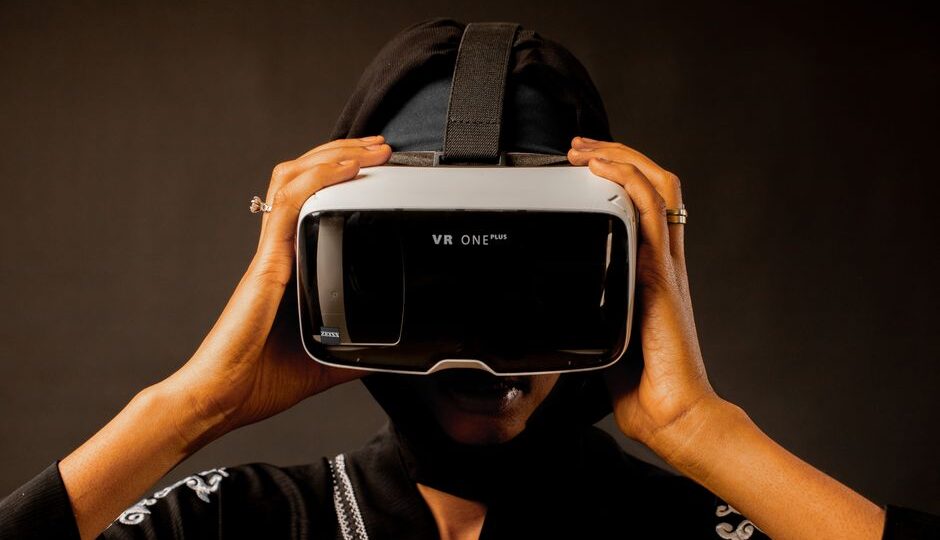
Remember when food was just something you ate? In 2026, virtual reality (VR) dining is transforming the very essence of how we experience food. The revolution isn’t just about taste, but about how digital spaces are redefining our culinary boundaries. Imagine enjoying a traditional Italian meal in a quaint Tuscan village without ever leaving your home. Sounds intriguing, right?
Immersive Culinary Journeys
Virtual reality dining takes us on a journey beyond mere taste. With VR headsets, diners can explore an entire multi-sensory universe. These digital dining experiences incorporate 360-degree visuals, ambient sounds, and even temperature adjustments to mimic the climate of the cuisine’s origin. Ever wished to have a picnic under the Northern Lights while savoring Scandinavian delicacies? Now you can. Restaurants around the globe are adopting this tech, paving the way for an immersive culinary revolution.
Cooking Classes from Afar
For those who love being hands-on, VR cooking classes have opened new horizons. Now, aspiring chefs can learn the art of sushi from a master in Tokyo or perfect their coq au vin with a French chef, all from the comfort of their kitchen. These classes provide a highly interactive environment where instructors can offer live feedback as if they were standing right beside you. This democratization of food education means more people can access top-tier culinary expertise than ever before.
Social Dining in Virtual Spaces
In 2026, virtual reality technology has made social dining from anywhere possible. Platforms like ‘Gourmet Gather’ allow users to invite friends and family to a virtual dinner table, complete with a shared food experience. This has become a boon for families spread across continents, making meal times truly special once again. Imagine celebrating a birthday with loved ones scattered around the globe, all sharing the same meal and laughter in a beautifully recreated virtual restaurant.
The Future of VR in Gastronomy
As tech improves, so does the potential for VR dining. Innovations such as haptic feedback are being integrated, allowing diners to feel textures and sensations, like the fizz of a soda or the warmth of a freshly baked pie. Companies are also exploring ways to enhance taste through digital stimuli, creating flavors that are more vibrant than anything physically possible.
Moreover, VR dining isn’t just for entertainment; it’s being utilized in medical and dietary research to help individuals with specific health needs. By simulating different diets and monitoring reactions in a controlled environment, VR is helping to craft personalized nutrition plans that better suit individual lifestyles.
The Practical Takeaway
Virtual reality dining isn’t a mere novelty; it represents a fundamental shift in how we engage with food. For restaurateurs and food enthusiasts alike, embracing this technology means not just keeping pace with innovation, but leading it. The blending of technology and gastronomy offers limitless possibilities, making every meal an adventure.