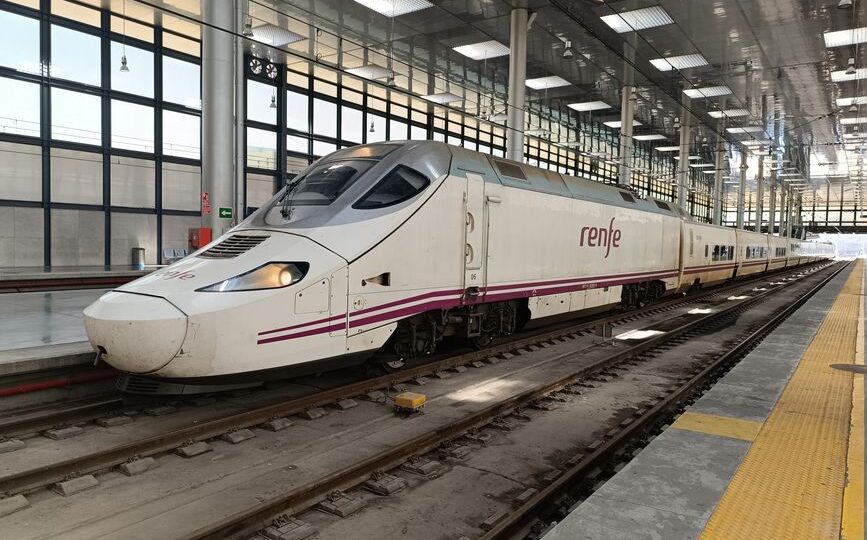
The Dawn of Hyperloop Technology
In 2026, the once futuristic concept of Hyperloop travel is rapidly becoming a reality. What was once imagined as a science fiction dream is now reshaping how we think about commuting between cities. The Hyperloop, a magnetic levitation train system propelling pods through low-pressure tubes, is setting new standards for speed, efficiency, and environmental sustainability.
Speeding Through the Tube
Imagine commuting from Los Angeles to San Francisco in under 30 minutes. The Hyperloop achieves speeds of over 700 miles per hour, making long-distance daily commutes plausible. This technology is not only transforming how we live and work but also where we choose to do so. Cities once considered too far for daily travel are now just a short ride away, opening up new job markets and living opportunities.
Environmental Benefits
As concerns about climate change and carbon emissions grow, Hyperloop presents a cleaner alternative to traditional transportation methods. Powered by renewable energy sources such as solar and wind, it produces zero direct emissions. This makes it an attractive option for governments looking to reduce their carbon footprints, aligning with global sustainability goals.
Challenges in Implementation
Despite its promise, the Hyperloop faces several hurdles. Infrastructure costs, regulatory approvals, and land acquisition are significant challenges that have slowed its rollout. However, with increased investment from both government and private sectors, these barriers are gradually being overcome. Key projects like the Los Angeles-Las Vegas and Paris-Amsterdam routes are leading the charge, with completion expected by 2027.
The Impact on Urban Development
The introduction of the Hyperloop is not just about faster travel; it’s about transforming urban landscapes. Regions connected by Hyperloop are witnessing a surge in new business hubs, residential areas, and cultural centers. This interconnectedness fosters economic growth and innovation, making cities more attractive for both companies and residents.
Practical Takeaway for Urban Dwellers
For urban dwellers, the Hyperloop revolution means rethinking proximity. With cities closer than ever, new job opportunities, cultural experiences, and housing options become accessible. As you plan your future career or relocation, consider the potential of Hyperloop-connected cities. With the promise of speed, efficiency, and sustainability, the world feels like a much smaller place.