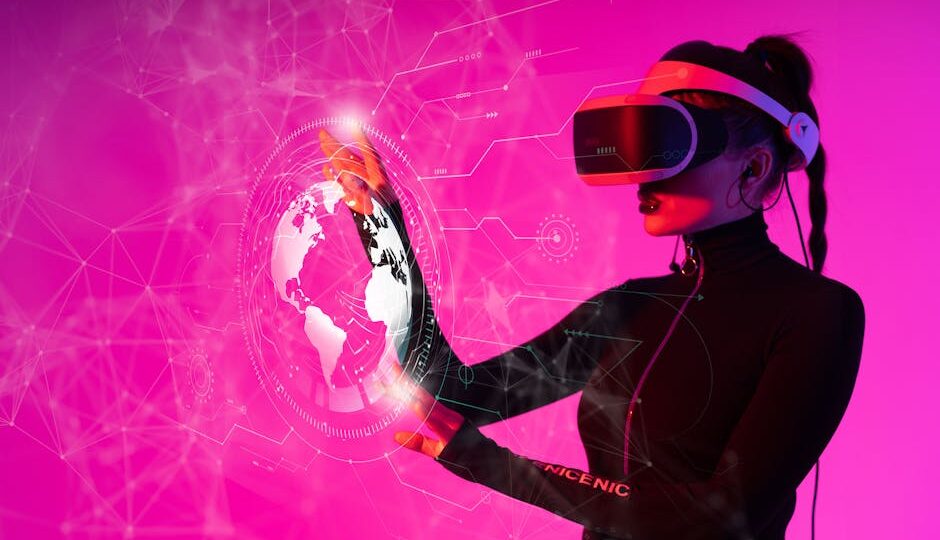
The metaverse—a term that, a few years ago, felt like a figment of science fiction—has become an integral part of our digital lives by 2026. While many are aware of its existence, there are layers and nuances to the metaverse that remain obscure to the everyday user. Here, we unravel ten intriguing aspects of this expansive digital universe.
The Metaverse Is Not a Single Entity
Contrary to popular belief, the metaverse is not a monolithic space governed by a single entity. Instead, it’s a vast network of interconnected virtual environments, each with its own unique rules and experiences. It’s like a digital patchwork quilt crafted from the contributions of numerous creators and companies. From social platforms like Meta’s Horizon Worlds to gaming giants like Roblox and Minecraft, each piece of the metaverse serves different purposes and attracts diverse communities.
It’s Changing How We Work
Remote work saw a significant boost during the early 2020s, but by 2026, the metaverse has taken this evolution a step further. With virtual offices and conference rooms becoming the norm, traditional workspaces are becoming obsolete. Companies like Spatial and VirBELA offer realistic office environments within the metaverse, complete with whiteboards, meeting tables, and even water coolers. Employees from New York to Tokyo can now collaborate in real-time, feeling as if they’re in the same room despite being thousands of miles apart.
The Metaverse Economy Is Booming
With an estimated market value exceeding $800 billion, the metaverse economy is booming. Digital real estate is a hot commodity, with virtual plots in platforms like Decentraland selling for millions. Not to mention the burgeoning market for NFTs (non-fungible tokens) and virtual goods, which range from fashion items to digital art pieces. In 2025 alone, virtual real estate sales reached $600 million, showcasing a trend that’s only growing stronger.
Metaverse Can Boost Learning
Education has found a new frontier in the metaverse. Virtual classrooms erase geographical barriers, allowing students worldwide to access quality education. Institutions like Stanford and MIT have pioneered metaverse-based courses, offering students interactive and immersive learning experiences. Imagine studying ancient history while virtually walking through a reconstruction of the Roman Forum, or examining the anatomy of a virtual frog in a biology class. The possibilities are limitless.
Security Concerns Are Real
As with any digital environment, security is a critical issue in the metaverse. With personal data being shared across various platforms, users must remain vigilant. Incidents of hacking and identity theft have increased, leading to stricter regulations and the implementation of more robust security measures. Companies are continuously working to ensure the safety and privacy of their users, but it’s important for individuals to practice safe browsing habits and be aware of potential threats.
The Role of AI and Automation
Artificial Intelligence plays a crucial role in the metaverse, enhancing user experiences and enabling automation. AI-driven avatars can now mimic human expressions and emotions, making interactions feel more natural and engaging. Automated moderation systems help maintain community standards, ensuring that the metaverse remains a safe and welcoming space for all its inhabitants.
Digital Fashion Is Gaining Ground
Fashion is no longer confined to the physical world. Digital fashion is gaining traction, with users spending millions on virtual clothing, accessories, and even entire outfits for their avatars. Brands like Gucci and Balenciaga have launched exclusive collections within the metaverse, allowing users to express their unique style in the digital realm as they do in reality. In 2026, digital fashion shows have become events that rival their physical counterparts in terms of creativity and engagement.
A Hub for Creativity and Innovation
The metaverse is a playground for creators. Artists, musicians, and developers use these digital spaces to showcase their work, collaborate with others, and experiment with new forms of media. Music concerts inside the metaverse have become all the rage, attracting millions of attendees who relish the chance to experience live performances in fantastical virtual settings. Meanwhile, artists and programmers are pushing the boundaries of what’s possible, crafting immersive worlds that captivate and inspire.
Expanding Accessibility Features
In an effort to be inclusive, the metaverse is expanding its accessibility features. Developers are implementing tools to assist individuals with disabilities, ensuring that everyone can enjoy and participate in virtual environments. Features like speech-to-text, customizable controls, and audio descriptions are becoming standard, making the metaverse a more welcoming place for all users.
The Metaverse Is Here to Stay
With its profound impact on our social lives, work, and recreation, the metaverse is not a fleeting trend but a permanent fixture of our digital landscape. As technology continues to advance, the metaverse will only grow more sophisticated and integrated into our daily lives. Whether through virtual reality headsets or augmented reality glasses, the lines between the physical and digital worlds are blurring, heralding a future where both coexist seamlessly.
The metaverse offers untold potential, and as we delve deeper into its possibilities, we must balance innovation with responsibility. Awareness of security, inclusivity, and sustainability will ensure that this digital frontier remains an exciting space for everyone. It’s a brave new world—one that’s just beginning to unfold.