Urban Farming Takes a New Dimension
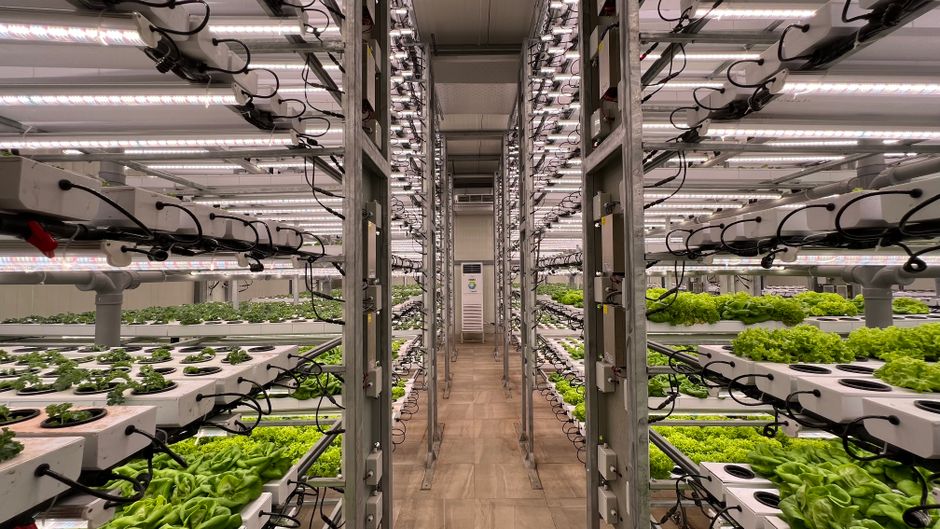
Vertical agriculture isn’t just an innovative approach to growing food; it’s a transformative force reshaping how we think about urban spaces. As cities become more crowded, the need for sustainable, local food production has never been more urgent. Enter vertical farming, the practice of growing crops in vertically stacked layers, often integrated into urban environments. In 2026, this technology is not only meeting the demand for fresh produce but also redefining urban aesthetics and economies.
The Technological Backbone
Behind the lush greenery of vertical farms lies a sophisticated web of technology. These farms are supported by hydroponic and aeroponic systems, which allow plants to grow without soil. Water and nutrients are delivered directly to plant roots, optimizing resources and eliminating waste. LED lighting mimics sunlight, ensuring that plants receive the necessary spectrum to thrive regardless of external weather conditions. Automation plays a crucial role, with AI systems monitoring plant health and environmental factors 24/7, adjusting conditions to maximize yield and efficiency.
Environmental and Economic Impact
Vertical farming minimizes land use, requiring far less space than traditional agriculture. This efficiency helps preserve natural habitats and reduces the carbon footprint associated with food transportation. Additionally, vertical farms can produce up to ten times the yield of traditional farms of the same size. Economically, these farms create local jobs and stimulate urban economies by attracting investments and tourism. Companies like Bowery Farming and AeroFarms have already established themselves as leaders, with new startups emerging globally.
Case Studies: Success Stories in Urban Centers
Cities like Singapore and Tokyo were early adopters of vertical farming, utilizing technology to overcome limited farmland. In 2026, these cities serve as models of urban agricultural success. In Singapore, Sky Greens operates one of the world’s first low-carbon, hydraulic-driven vertical farms, which supplies a significant portion of the city’s leafy greens. In Tokyo, Mirai Co. Ltd. runs a stunning facility that is a major source of lettuce for the city, utilizing LED lights tailored to different stages of plant growth to optimize production.
The Challenges Horizon
Despite its promise, vertical farming faces challenges. High initial setup costs and energy consumption for lighting and temperature control can be barriers. However, advances in renewable energy sources, like solar and wind, are helping reduce these costs. There’s also the cultural shift required to integrate these farms into urban planning, necessitating collaboration between city planners, architects, and farming specialists. As technology improves and public awareness grows, these challenges are increasingly manageable.
A Green Future for Cities
Vertical agriculture is more than just a trend; it’s a glimpse into a future where cities can sustainably support their populations. By incorporating these farms into urban landscapes, cities will not only secure food supply but also create greener, more livable environments. As you walk through city streets adorned with vertical gardens, it’s clear that the future of farming is reaching new heights—both literally and figuratively.
Practical Takeaway: Embrace the potential of vertical farming by supporting local initiatives and businesses. As a consumer, purchasing produce from vertical farms promotes sustainable agriculture and reduces environmental impact. Keep an eye out for community projects or opportunities to invest in this burgeoning sector, which promises to redefine urban living.