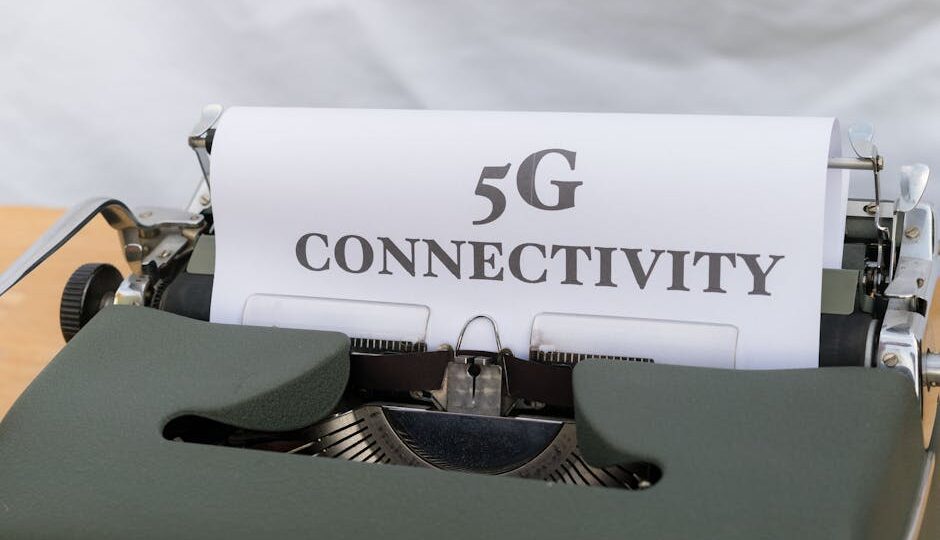
5G vs. Wi-Fi 6: Which Is Right for You?
The tech landscape of 2026 has dramatically transformed the way we connect with the digital world, thanks to the advent of 5G and Wi-Fi 6. Both technologies promise faster, more reliable connections, yet they serve different purposes and excel in unique environments. If you’re trying to decide which is best suited for your lifestyle or business, you’re not alone. Let’s break down these technologies to help you make an informed decision.
Understanding the Basics
5G, short for fifth-generation cellular technology, is the latest iteration in mobile communication standards. It boasts remarkable improvements in speed, latency, and capacity over its predecessor, 4G LTE. 5G is designed for mobile use, providing seamless connectivity across cities, rural areas, and anywhere in between.
Wi-Fi 6, also known as 802.11ax, represents the next evolution of Wi-Fi technology. It enhances wireless network efficiency and performance, particularly in environments crowded with many devices. This makes it ideal for homes, offices, and public spaces with dense device usage.
Speed and Performance
Speed is often the first metric people consider when choosing a network technology. 5G offers phenomenal download speeds up to 10 Gbps, theoretically ten times faster than what 4G LTE can achieve. This makes activities like streaming 4K videos or downloading large files on the go almost instantaneous.
On the other hand, Wi-Fi 6 isn’t far behind. It can reach speeds of up to 9.6 Gbps. However, Wi-Fi 6’s real strength lies in handling multiple devices simultaneously without sacrificing speed. This means that in a setting like a coffee shop in downtown San Francisco filled with dozens of customers, everyone can enjoy fast internet simultaneously.
Coverage and Range
5G excels in coverage, especially with its high-frequency millimeter waves that allow for widespread urban connectivity. However, these waves have difficulty penetrating buildings and other obstacles. To combat this, 5G networks use a combination of low, mid, and high band frequencies, with low bands providing better coverage in suburban and rural areas.
Wi-Fi 6, on the other hand, is confined to the range of a single router, typically covering an area the size of an average house. However, with the use of mesh systems or repeaters, Wi-Fi 6 can effectively cover larger spaces like corporate offices or campus environments. In terms of indoor connectivity, Wi-Fi 6 holds a slight advantage due to its ability to efficiently manage numerous devices within its range.
Latency and Reliability
Latency, or the delay before a transfer of data begins following an instruction, is where 5G really shines. It offers latencies as low as 1 millisecond, a significant improvement from 4G LTE’s 50 milliseconds. This is crucial for applications requiring real-time responsiveness, such as virtual reality, autonomous vehicles, and remote surgeries.
Wi-Fi 6 also brings improvements in latency but is generally higher than 5G, ranging from 10 to 20 milliseconds. However, Wi-Fi 6 offers greater reliability in handling traffic from multiple devices, an invaluable feature in homes with smart devices or busy work environments like coworking spaces in New York.
Practical Applications
When considering which technology best fits your needs, think about where and how you use your devices. 5G is the go-to choice if you’re a digital nomad frequently working from various locations, as it provides consistent mobile coverage and high-speed internet access everywhere you go.
However, for home and office settings, Wi-Fi 6 is often the superior choice. Its ability to connect and manage a multitude of devices efficiently makes it perfect for smart homes and businesses with numerous connected gadgets. Imagine a smart home in Tokyo seamlessly running security cameras, smart thermostats, and streaming devices all at once—Wi-Fi 6 handles this with ease.
The Cost Factor
The cost of adopting 5G or Wi-Fi 6 depends on several factors, including equipment, service plans, and deployment. 5G can initially be more expensive due to the need for compatible devices and potentially higher service fees. However, as the technology becomes more widely adopted, prices are expected to stabilize.
With Wi-Fi 6, initial costs involve upgrading routers and possibly other network components to support the new standard. Yet, once the infrastructure is in place, operational costs are minimal, especially for fixed locations.
Practical Takeaway
Choosing between 5G and Wi-Fi 6 depends largely on your specific needs and lifestyle. If mobile connectivity and ultra-low latency are priorities, 5G is your best bet. For robust, efficient multi-device connectivity in a fixed location, Wi-Fi 6 shines. As these technologies continue to evolve, staying informed will help you harness their capabilities to best suit your digital life.