Introduction: The Holographic Revolution
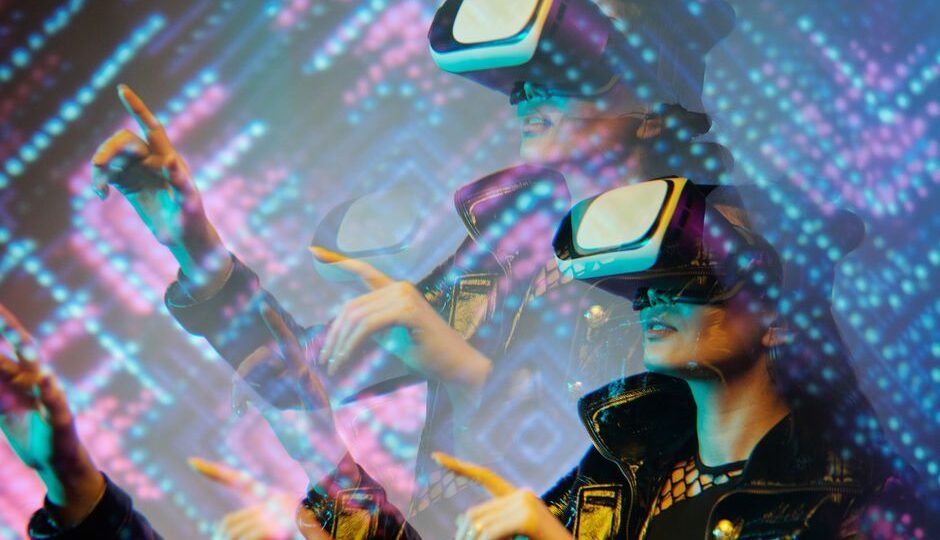
Step aside, flat screens and virtual reality headsets — holographic entertainment is stepping into the spotlight. By 2026, this technology is rapidly transforming the way we experience media, blending digital and physical worlds in ways previously thought impossible. But what exactly makes holography so captivating, and how is it changing the entertainment landscape?
The Tech Behind the Magic
Holograms aren’t just science fiction anymore. In the heart of Tokyo, companies like HoloWave and Lumeo have developed advanced light field display systems that project images into the air, creating detailed, 3D visuals that can be viewed from any angle. Unlike traditional 3D displays that rely on glasses, holograms can be seen with the naked eye, providing a more immersive experience.
This breakthrough is powered by a combination of photonic crystals and AI algorithms that refine the light field, allowing for precise control over image depth and perspective. The result is a hologram that appears startlingly lifelike, making characters and scenes feel tangible and real.
Live Concerts: A New Frontier
Imagine attending a concert where your favorite artist performs live, right in front of you, in a venue on the other side of the world. Holographic concerts are becoming a reality, with events in Los Angeles and Seoul already showcasing this cutting-edge technology. In 2026, holographic performances by global superstars are becoming commonplace, as artists embrace the ability to reach audiences worldwide without the constraints of physical travel.
Fans have praised these events for their interactivity and intimacy. Utilizing motion capture and real-time rendering, performers can engage with the audience in dynamic new ways, creating a unique bond that traditional concerts can’t match.
Home Entertainment: A New Dimension
Beyond live performances, home entertainment is also undergoing a major transformation. Companies such as VividSphere are releasing consumer-friendly holographic projectors that bring cinema-quality experiences into living rooms across the globe. These devices are compact, user-friendly, and compatible with existing streaming platforms, making it easier than ever for families to enjoy holographic films and shows.
Imagine watching the latest blockbuster where the action unfolds all around your living room. The depth and realism of holographic visuals add a new layer to storytelling, enveloping viewers in the plot like never before.
Gaming: Leveling Up the Experience
Gaming is another industry that’s eagerly adopting holography. With the launch of the PlayVerse holographic console, gamers can now interact with lifelike characters and environments projected into their space. This isn’t just about graphics; it’s about creating a more visceral gaming experience where players feel physically present in the game world.
Developers are crafting games that take advantage of this new medium, designing worlds that are not only visually stunning but also reactive to player actions, offering a level of engagement that fundamentally changes how we play.
The Challenges Ahead
Despite the excitement, integrating holography into daily life presents challenges. The cost of high-quality equipment remains a barrier for some, though prices are steadily decreasing. Additionally, there are technical hurdles to overcome, such as ensuring compatibility with existing content formats and addressing latency issues in live broadcasts.
There’s also the question of how these developments will impact traditional media. As holography becomes more prevalent, industries must adapt to new storytelling methods and reconsider how they engage with audiences.
Practical Takeaway: Embrace the Future
Holographic entertainment is no longer a futuristic concept; it’s here, reshaping the boundaries of imagination and reality. For consumers, this means a richer, more interactive media experience. For creators, it’s an invitation to explore new narratives and formats. As this technology continues to evolve, it offers endless possibilities for entertainment — and a glimpse into what the future might hold.