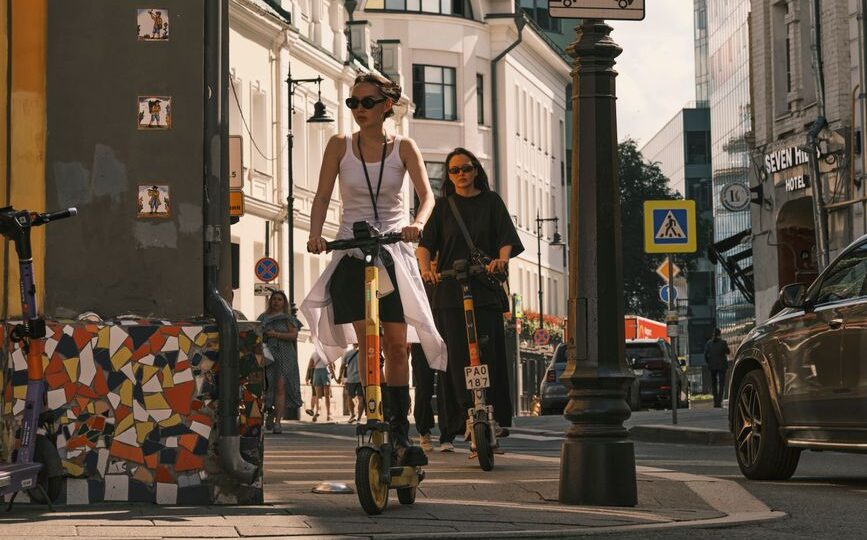
The Rise of Micromobility
In 2026, the streets of cities like Amsterdam, San Francisco, and Singapore are humming—not with the roar of engines, but with the quiet whirr of electric scooters, bikes, and skateboards. Micromobility has taken the urban landscape by storm, offering a sustainable, efficient alternative to traditional transportation. As cities strive to reduce carbon emissions, these compact electric vehicles have become essential.
Why Micromobility is Here to Stay
Why has micromobility gained such traction in such a short time? For starters, these vehicles offer a practical solution to the notorious ‘last mile’ problem, bridging the gap between public transportation and destinations. They’re affordable, with e-scooter monthly subscriptions hovering around $30 in many cities, and they cut down commute times dramatically, especially in congested urban centers.
Moreover, the environmental impact is significant. A report from the European Environment Agency highlights that widespread adoption of micromobility in European cities could reduce urban transportation emissions by over 15% within the next decade.
Technological Innovations Driving the Shift
The micromobility revolution is powered by continuous technological advancements. Batteries today are lighter, charge faster, and last longer than those available just a few years ago. Companies like Lime and Bird are investing heavily in AI to optimize vehicle distribution, ensuring that e-scooters and e-bikes are always available where they’re needed most.
Additionally, safety is no longer a barrier. Smart helmets with augmented reality visors provide real-time navigation and traffic alerts, while many vehicles come with integrated hazard detection systems that alert riders to potential dangers on the road.
Challenges and Criticisms
However, not everyone is on board. Critics argue that the proliferation of micromobility devices adds clutter to city sidewalks, creating navigation hazards for pedestrians. In response, cities like Paris have implemented designated parking zones and fine systems to keep pathways clear.
There’s also the issue of regulation. Inconsistent laws between cities and countries can make riding these vehicles confusing. To address this, the International Transport Forum is working towards standardizing micromobility regulations to promote safe and efficient use across borders.
Real-World Examples of Impact
Consider Oslo, where the city council introduced a ‘Green Pathways’ initiative in 2025. This project converted certain car lanes into exclusive micromobility lanes, leading to a 40% increase in micromobility use and a notable reduction in traffic congestion. In New York City, the introduction of micro-charging hubs every few blocks ensures that city-dwellers never run out of juice, even on marathon rides.
Practical Tips for Embracing Micromobility
If you’re ready to join the micromobility movement, here are some practical tips:
- Choose the Right Vehicle: Consider your daily needs. E-bikes are great for longer distances, while e-scooters are perfect for short city hops.
- Invest in Safety Gear: A smart helmet might be pricier than a regular one, but the added safety features are invaluable.
- Understand Local Laws: Before you ride, familiarize yourself with local regulations to avoid fines and ensure a smooth experience.
- Try Subscription Services: Many cities offer subscription services that provide unlimited rides for a fixed monthly fee. This can save both money and hassle.
The Micromobility Movement: A Catalyst for Urban Change
Micromobility isn’t just transforming how we get from A to B; it’s reshaping entire cities, making them more livable, less polluted, and more vibrant. As we move towards a more sustainable future, the continued growth and innovation in this space promise exciting developments, making urban life not just about surviving—but thriving.